
Compare Local Contractors for Church Fence Installation Success
Compare local contractors to define project scope, verify experience, and establish clear expectations for your church fence installation.
Contractors specializing in church fence installation typically handle a range of services that include planning, site preparation, and the actual construction of fences designed to meet security, aesthetic, and boundary requirements. These projects often involve selecting appropriate fencing materials, such as wrought iron, chain link, or wood, and ensuring that the installation aligns with the property’s specific needs and local regulations. Clear communication about the scope of work is essential, as it helps property owners understand what is included-from foundation work and gate installation to finishing touches-so expectations are set accurately and potential issues are addressed early in the process.
Defining the scope of a church fence installation project plays a critical role in ensuring the work proceeds smoothly and meets the property owner’s needs. A well-documented scope should specify the types of materials to be used, the extent of the fencing, any additional features like security gates or signage, and the level of site preparation required. Having these details in writing helps prevent misunderstandings, provides a basis for comparison among service providers, and allows property owners to evaluate whether a contractor’s offerings align with their project goals. It also supports effective project management by establishing clear responsibilities and deliverables from the outset.
When comparing local contractors for church fence installation, property owners should consider their experience with similar projects and their understanding of local codes and conditions. Reviewing each contractor’s portfolio or references can offer insights into their work quality and reliability. It’s also important to verify that the scope of work, materials, and responsibilities are clearly outlined in written proposals or contracts. This documentation ensures transparency and helps property owners identify the most suitable service providers based on their project requirements. By taking the time to compare and verify these details, property owners can make informed decisions when selecting contractors for their fencing needs.
Compare local contractors by outlining your priorities, verifying experience, and setting clear expectations in writing.
- Compare Contractor Experience - Review the backgrounds and project history of local contractors to ensure relevant expertise.
- Define Project Scope Clearly - Outline specific fencing requirements and expectations to prevent misunderstandings.
- Verify Credentials and References - Check references and previous work to assess the reliability of service providers.
- Document Agreements in Writing - Establish detailed contracts that specify work scope, materials, and responsibilities.
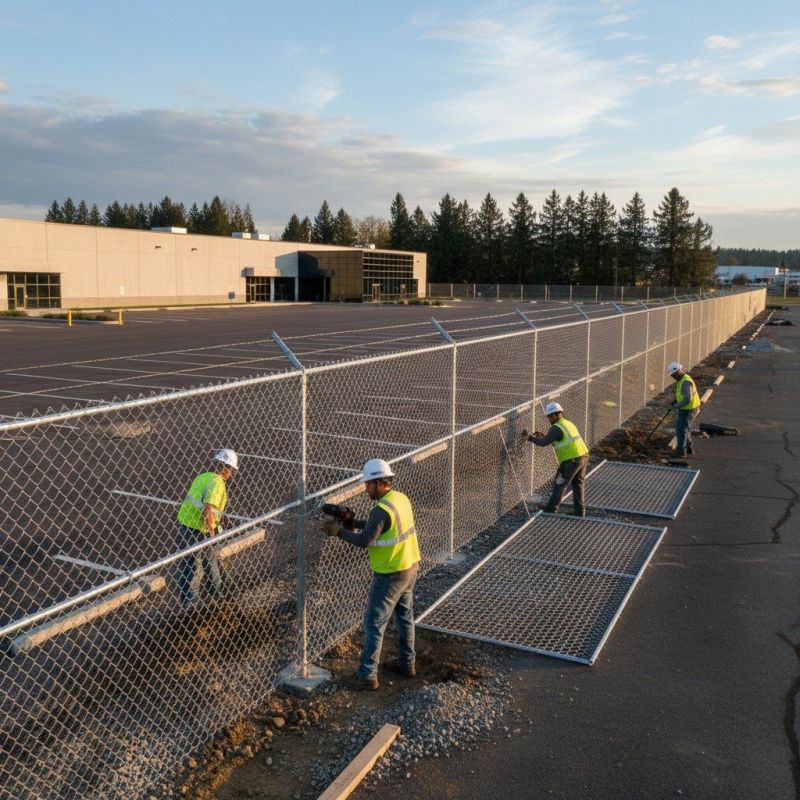
Clearly describe your church fence project to effectively compare local contractors, verify their experience, and set expectations in writing.
- Verify experience and references of contractors who have completed church fence installations similar in scope. - Ensure service providers clearly outline the scope of work and materials to be used in writing.
- Compare multiple local contractors to assess their understanding of church property requirements and fencing standards. - Look for detailed proposals that specify project details and expected outcomes.
- Check that contractors are familiar with local regulations and any necessary permits for church fencing projects. - Confirm that all necessary documentation and compliance considerations are addressed upfront.
- Discuss and document the project timeline, including milestones and completion criteria, to set clear expectations. - Make sure all project specifics are agreed upon and put into a written contract.
- Assess the communication style and responsiveness of service providers to ensure smooth collaboration throughout the project. - Choose contractors who provide clear, professional, and consistent communication.
- Review the warranty or guarantee policies offered by contractors to understand coverage for workmanship and materials. - Ensure these policies are documented and align with project expectations.
Compare local contractors' experience and services to help refine your fence installation scope effectively.
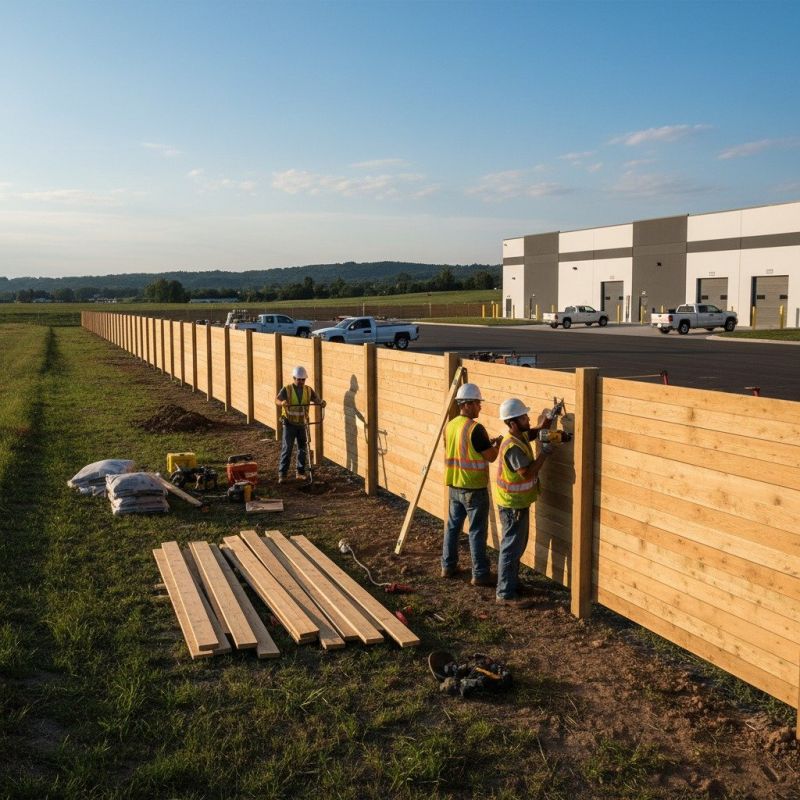
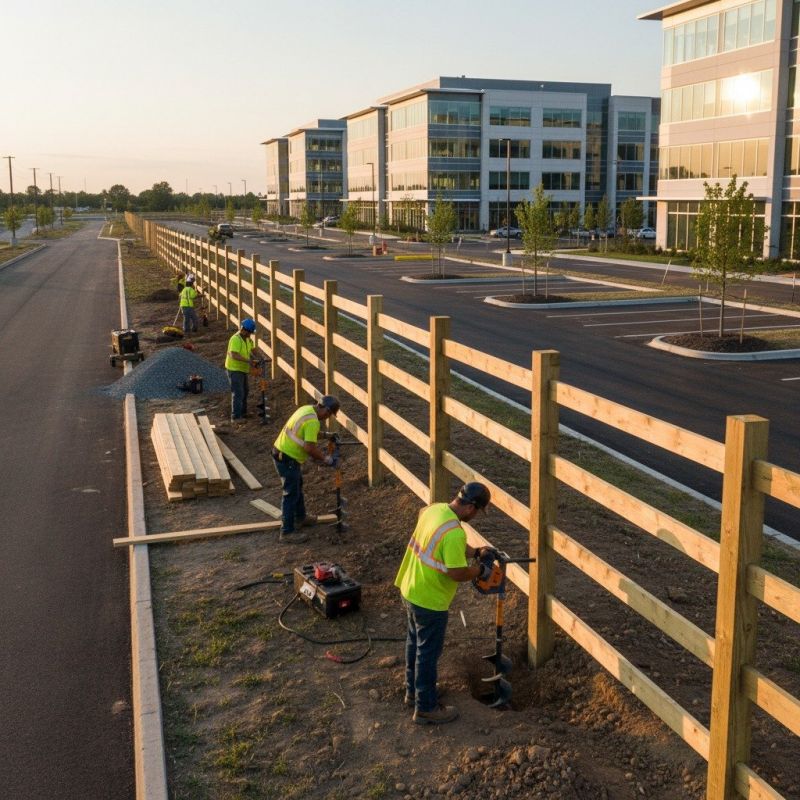

Use consistent scope criteria to compare local contractors for church fence installation and ensure clear written expectations.
- Scope Definition - Clearly outline the specific areas and boundaries where the fence will be installed.
- Material Selection - Specify the types of fencing materials to be used, including durability and appearance considerations.
- Experience Verification - Confirm that service providers have relevant experience with church fence installations.
- Scope Documentation - Ensure all project details, including measurements and materials, are documented in writing.
- Comparison of Contractors - Evaluate multiple local contractors based on their experience, scope understanding, and project approach.
When comparing contractors for Church Fence Installation, it’s important to evaluate their experience with similar projects. Service providers who have handled fences of comparable size, style, and purpose are more likely to understand the specific requirements involved. Inquire about the types of fences they have installed in religious or community settings, and ask how many similar projects they have completed. This background can provide insight into their familiarity with the unique considerations that may arise during installation, ensuring the chosen contractor has relevant expertise.
A clear and detailed written scope is essential for a successful project. The scope should outline the specific work to be performed, including the materials to be used, the dimensions of the fence, and any additional features or customizations. Contractors who provide comprehensive written descriptions help establish mutual understanding and serve as a reference point throughout the project. When reviewing proposals, look for clarity and completeness in the scope to ensure expectations are well-defined and that there is a shared understanding of the work to be completed.
Verification basics involve assessing a contractor’s credentials and track record. While licensing and certification are not discussed here, it’s wise to verify references from previous clients, review any available project portfolios, and confirm that the contractor adheres to industry standards. Asking for examples of completed projects similar to the church fence installation can help gauge the quality of work and professionalism. Additionally, checking for any complaints or disputes through local consumer agencies can provide further confidence in the reliability of the service provider.
Evaluating options without focusing on prices involves considering the contractor’s experience, scope clarity, and professionalism. Look for service providers who communicate openly and provide detailed proposals, as this indicates a commitment to transparency. Comparing the level of detail in their scope of work, the relevance of their experience, and their ability to answer questions thoroughly can help identify the most suitable contractor. Ultimately, selecting a contractor who demonstrates expertise, clear communication, and a well-defined approach can contribute to a successful fence installation that meets the needs of the church community.
Ask contractors to provide written scope details to ensure clear understanding and consistent project expectations.
- Experience and Credentials - What is the experience level of the contractors with church fence installations?
- Scope of Work - How do contractors define and clarify the scope of the fencing project in writing?
- Material Options - What types of fencing materials do local contractors recommend for church properties?
- Comparison of Services - How do different service providers compare in terms of the services they offer for fence installation?
- Project Expectations - How can the scope and expectations of the fence installation be clearly communicated and documented?
How can I compare contractors for church fence installation? It's helpful to review their experience with similar projects, check references, and ensure they provide clear written details about the scope and materials involved.
What should I look for when defining the scope of the fence installation? Clearly outline the fence's size, type, materials, and any specific features or requirements to ensure contractors understand the project expectations.
How do I verify a contractor’s experience with church fence projects? Ask for examples of past work, references from previous clients, and details about their familiarity with installing fences in religious or community settings.
Why is it important to have project details in writing? Having a written agreement helps prevent misunderstandings, clarifies responsibilities, and sets clear expectations for the scope and quality of work.
What questions should I ask contractors during the selection process? Inquire about their experience, the materials they recommend, how they handle project challenges, and whether they follow specific safety or building standards.
How can I ensure the contractor understands my specific needs? Communicate your project goals clearly, provide detailed descriptions, and confirm that the contractor’s proposal aligns with your expectations before proceeding.
This page has provided an overview of key considerations when selecting contractors for church fence installation. Visitors have learned how to define the scope of work, verify the experience of service providers, and establish clear expectations in writing to ensure a smooth project process. Comparing your options with these guidelines can help identify qualified local contractors who meet your specific needs.
To find the right service providers for your church fence project, use the quote form to connect with local contractors in your area. This allows for side-by-side comparisons of available options, helping to make informed decisions based on the details that matter most for your property.