
Compare Local Contractors for Industrial Fence Installation Success
Compare local contractors for industrial fence installation to define project scope, verify experience, and set clear expectations in writing for a successful job.
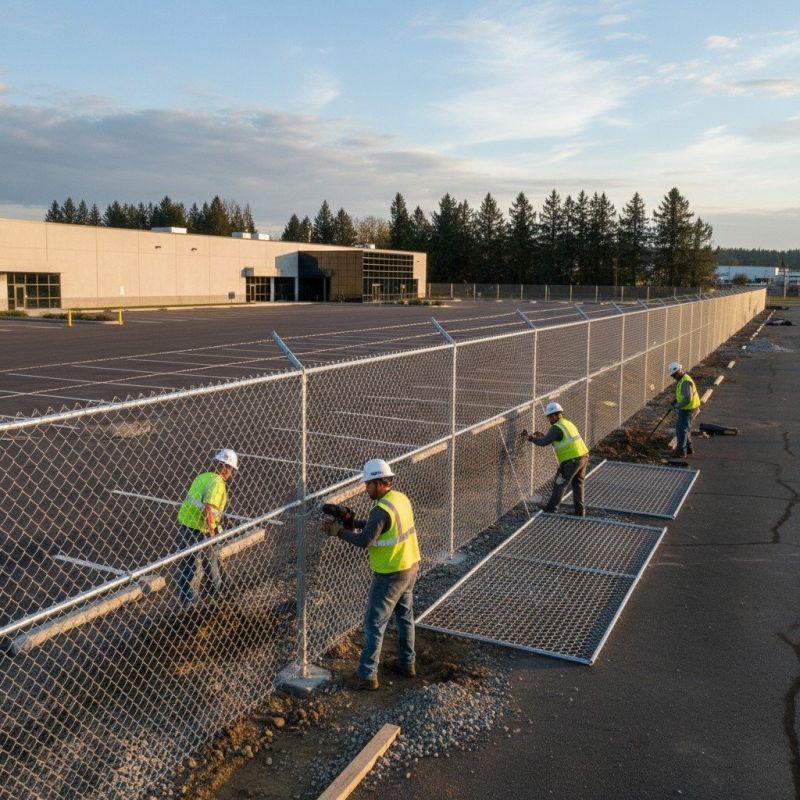
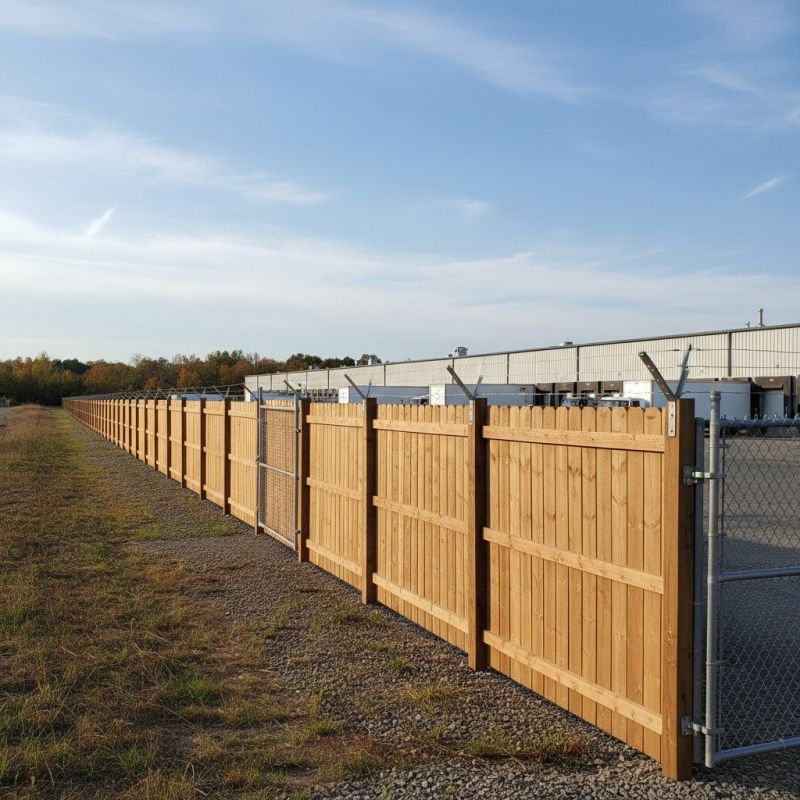
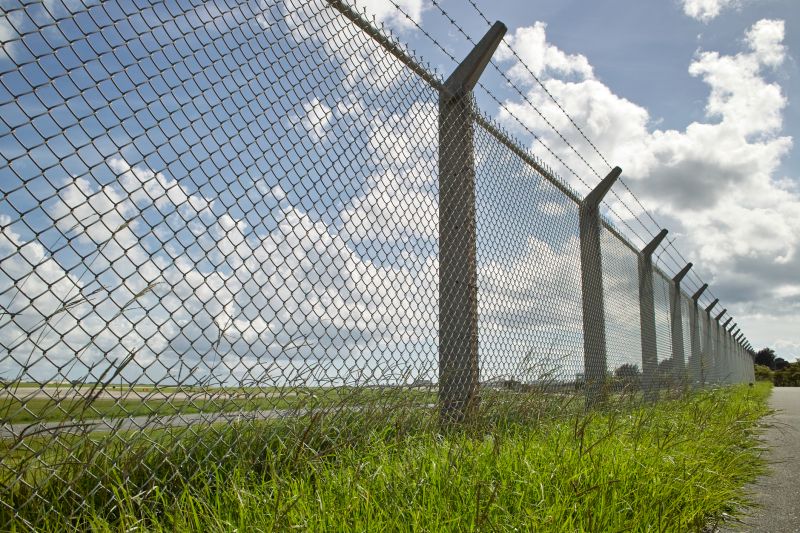
Industrial fence installation projects typically encompass a range of services designed to secure and define commercial or industrial properties. This work often involves selecting appropriate fencing materials such as chain-link, steel, or barbed wire, depending on security needs and environmental conditions. Contractors may handle site preparation, including clearing and grading, as well as the installation of fence posts, panels, gates, and security features. Ensuring proper foundation and structural integrity is essential, especially for fences that need to withstand harsh conditions or potential impacts. Clear communication about the scope of work helps property owners understand what is included, from initial site assessment to final installation, and ensures that all necessary components are addressed.
Defining the scope of an industrial fencing project is a crucial step in managing expectations and avoiding misunderstandings. A well-outlined scope specifies the types of fencing materials, the extent of the installation area, any additional features like security gates or access controls, and site-specific considerations such as obstacles or existing structures. Establishing these details in writing with the chosen contractor creates a clear framework for the project, helping to prevent scope creep and ensuring that both parties have aligned expectations. Properly defining the scope also facilitates more accurate comparisons between different service providers, as it allows property owners to evaluate how each contractor plans to approach the work and what services are included.
When comparing local contractors for industrial fence installation, property owners should consider a variety of factors to identify the most suitable service providers. Reviewing each contractor’s experience with similar projects can reveal their familiarity with industry standards and complex site requirements. It’s helpful to ask for detailed descriptions of their process, including how they handle site preparation, material selection, and installation steps. Additionally, verifying that contractors can provide clear, written estimates that outline the scope of work, deliverables, and responsibilities can aid in making informed decisions. Comparing credentials such as references, project portfolios, and customer feedback can also provide insight into their reliability and professionalism, helping property owners connect with service providers who meet their specific project needs.
Compare local contractors by outlining project priorities, verifying experience, and clearly defining scope and expectations in writing.
- Compare Contractor Experience - Review the background and project history of local contractors to ensure they have relevant expertise.
- Define Project Scope Clearly - Establish detailed specifications and expectations in writing before beginning work.
- Verify Credentials and References - Check references and past work to assess the reliability and quality of local service providers.
- Request Written Agreements - Ensure all project details, responsibilities, and expectations are documented in a formal contract.

Clearly define your project scope and compare local contractors to ensure expectations are aligned before choosing a service provider.
- Verify the contractor’s experience with industrial fence installation projects similar in scope and complexity. - Ensure service providers clearly define the scope of work in writing to establish project expectations.
- Assess the contractor’s familiarity with local building codes and regulations related to industrial fencing. - Confirm that local contractors are knowledgeable about permitting requirements and compliance standards.
- Check references or reviews to gauge the quality of previous industrial fencing projects completed by the contractor. - Look for feedback that highlights the contractor’s reliability and workmanship.
- Discuss the materials and fencing options with the contractor to ensure they align with project needs and durability expectations. - Make sure service providers can recommend suitable materials for industrial applications.
- Clarify the project timeline and milestones in writing to set clear expectations for project completion. - Ensure the scope of work includes agreed-upon deliverables and deadlines.
- Compare multiple local contractors to evaluate their experience, scope definitions, and communication practices before making a decision. - Use comparisons to find the best match for the specific industrial fencing requirements.
Compare local contractors’ experience and expertise to clearly define your industrial fence installation scope.

Use clear scope definitions and experience verification to ensure consistent comparisons among local contractors.
- Project Scope - Clearly define the size, type, and purpose of the industrial fence to ensure alignment with project goals.
- Material Specifications - Identify the preferred fencing materials, including durability and security features, suitable for industrial needs.
- Site Conditions - Assess and document site-specific factors such as terrain, access points, and existing structures that may impact installation.
- Experience and Expertise - Verify that local contractors have relevant experience with industrial fence installation projects of similar scope.
- Written Agreement - Ensure all project details, expectations, and responsibilities are documented in a comprehensive, written scope of work.
When evaluating contractors for industrial fence installation, it’s important to consider their experience with similar projects. Inquire about the types of industrial fencing they have installed in the past, including the scale and complexity of those projects. Contractors with a proven track record in industrial settings are more likely to understand the specific requirements, materials, and techniques needed to ensure a durable and compliant installation. Verifying their experience through references or a portfolio of completed work can provide insight into their capabilities and help determine if they have the relevant background for the scope of the project.
A clear, written scope of work is essential when comparing service providers. This document should outline the specific materials, fence height, design features, and any additional components involved in the installation. A detailed scope helps prevent misunderstandings and ensures that all parties have aligned expectations. When reviewing proposals, look for contractors who provide comprehensive descriptions of what is included and what is not, and who are willing to clarify or customize the scope as needed. This clarity facilitates smoother communication and sets a solid foundation for the project.
Verification basics involve confirming that a contractor’s qualifications and reputation align with the project’s needs. This can include checking references from previous clients, reviewing their history of completed projects, and confirming their familiarity with local regulations or site conditions. It’s also helpful to verify that the contractor uses quality materials and follows established safety practices, even if not explicitly mandated. These verification steps can help identify service providers who consistently deliver reliable work and are capable of managing the unique challenges associated with industrial fencing.
When comparing options among local contractors, focus on evaluating their experience, scope clarity, and verification of credentials and past work. Ask detailed questions about their approach to similar projects, request written descriptions of the work to be performed, and seek references or examples of completed installations. Avoid relying solely on verbal assurances; instead, prioritize service providers who can demonstrate their expertise through documented experience and clear communication. This approach helps ensure that the chosen contractor will meet the project’s specific requirements and deliver a professional installation aligned with expectations.
Ask contractors to provide written scope details to ensure clear understanding and consistent project expectations.
- Experience and Expertise - What experience do local contractors have with industrial fence installation projects similar to yours?
- Scope of Work - How do contractors define and clarify the scope of the fence installation to ensure all expectations are documented?
- Material and Design Options - What materials and design features do local service providers recommend for industrial fencing in your area?
- Project Requirements - How do contractors verify that their proposed scope aligns with your specific security and operational needs?
- Written Agreements - Do contractors provide detailed, written descriptions of the scope, materials, and responsibilities before starting work?
How can I compare different contractors for industrial fence installation? To compare contractors, review their experience, verify references, and ensure they clearly outline the scope of work in writing. This helps in assessing their suitability for the project.
What should I consider when defining the scope of an industrial fence project? Clearly specify the type of fencing, materials, dimensions, and any additional features needed. A detailed scope ensures contractors understand expectations and deliver as required.
How can I verify the experience of potential contractors? Ask for examples of past projects similar to yours, check references, and review their portfolio or reputation within the industry to assess their expertise.
Why is it important to have project details in writing? Having the scope, materials, and responsibilities documented helps prevent misunderstandings and provides a clear reference throughout the project.
What questions should I ask contractors during the selection process? Inquire about their experience with similar projects, their approach to installation, and how they manage unexpected issues or changes in scope.
How can I ensure the contractor understands my project requirements? Communicate your needs clearly, request a detailed written proposal, and confirm all specifications are documented before work begins.
This page has provided an overview of how to find and evaluate contractors for industrial fence installation, including tips on defining project scope, verifying experience, and setting clear expectations in writing. By understanding these key points, visitors can better compare local contractors and make informed decisions that align with their project needs. Utilizing the quote form allows for easy connection with service providers who can handle the job, helping to streamline the process of finding the right fit.
Taking the time to compare multiple local contractors through the provided quote form can help uncover options that meet specific project requirements. Ensuring that scope, experience, and expectations are clearly defined in writing can contribute to a smoother installation process. Using this resource to connect with experienced service providers makes it easier to explore local options and find the right contractor for industrial fence installation needs.