
Compare Local Contractors for Industrial Fencing Services
Compare local contractors for industrial fencing to define scope, verify experience, and set clear expectations, ensuring your property protection project meets your needs.
Industrial fencing projects typically encompass a range of services aimed at securing and defining large property boundaries. These projects may involve installing various types of fencing materials, such as chain link, barbed wire, or welded wire, to meet specific security or containment needs. Contractors often handle site preparation, including clearing and grading, as well as the installation of supporting structures like gates, posts, and reinforcement elements. Properly executed, these fences serve to protect assets, control access, and delineate property lines effectively.
Clearly defining the scope of work is essential when working with contractors for industrial fencing. This involves specifying the type of fencing material, the dimensions and layout, any additional features like security gates or access points, and the level of durability required. Having a detailed scope helps ensure that all parties have aligned expectations and that the project requirements are understood from the outset. Documenting these details in writing can prevent misunderstandings and provide a clear reference throughout the project, contributing to smoother communication and successful completion.
Property owners can benefit from comparing local contractors by assessing their experience with similar projects, verifying their familiarity with industry standards, and reviewing their reputation within the community. It is advisable to request references or examples of completed work to gauge the quality and reliability of each service provider. Comparing how contractors define their scope of work, the level of detail they provide in proposals, and their approach to project management can help property owners make informed decisions. Choosing a contractor with a proven track record and clear communication practices can lead to a more predictable and satisfactory fencing installation process.
Compare local contractors by outlining project priorities, verifying experience, and clearly defining scope and expectations.
- Compare Local Contractors - review and evaluate different service providers to find the best match for your industrial fencing needs.
- Define Project Scope - clearly outline the fencing requirements and specifications to ensure all parties understand the work involved.
- Verify Experience and Expertise - assess the background and previous work of local contractors to ensure they have relevant industry knowledge.
- Document Expectations in Writing - establish detailed agreements to set clear expectations and prevent misunderstandings during the project.

Clearly define your project scope and compare local contractors to ensure expectations are set before choosing an industrial fencing service.
- Verify the experience and reputation of local contractors specializing in industrial fencing services. - Ensure contractors have a proven track record with similar fencing projects and positive references.
- Define the scope of work clearly in writing, including fencing materials, height, and security features. - Clarify project details to set accurate expectations and prevent misunderstandings.
- Compare multiple service providers to assess their expertise, service offerings, and customer feedback. - Gathering information from various local contractors helps identify the best match for specific project needs.
- Request detailed written estimates that outline the scope, materials, and any additional services included. - Clear documentation helps in evaluating and comparing proposals effectively.
- Check for proper insurance coverage and compliance with local regulations relevant to industrial fencing. - Confirming these aspects ensures the work meets safety and legal standards.
- Discuss maintenance requirements and warranty options to understand long-term support for the fencing installation. - Knowing about maintenance and warranty provisions aids in planning for future care.
Compare local contractors' experience and clarify project scope to ensure expectations are aligned.
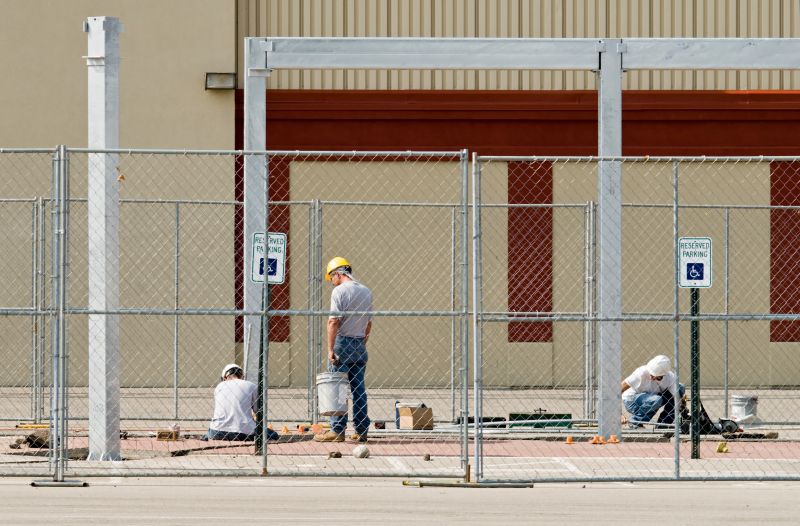
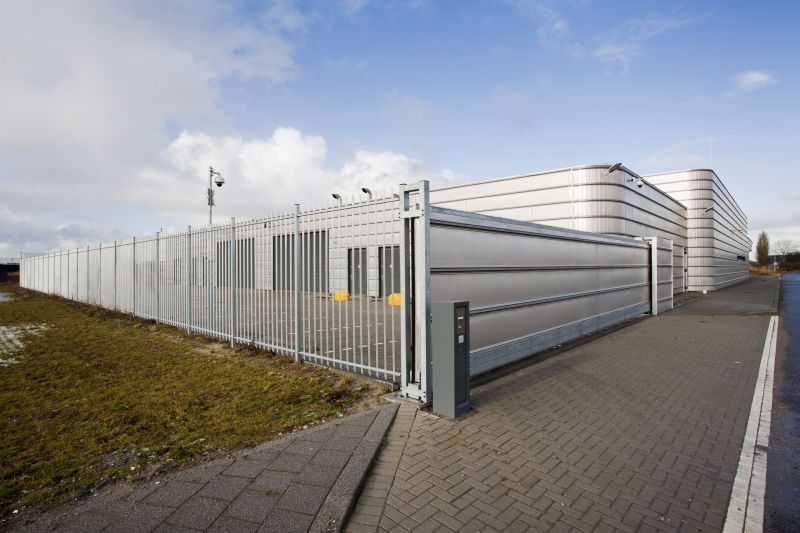
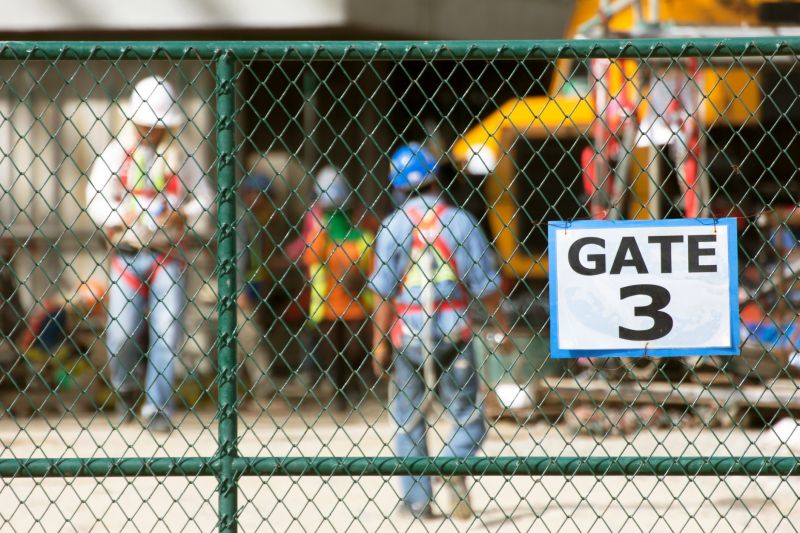
This section helps you compare industrial fencing contractors, define project scope, verify experience, and set clear expectations.
- Scope Definition - Clearly outline the specific type, height, and materials of fencing required for the project.
- Experience Verification - Confirm that service providers have relevant experience with industrial fencing installations.
- Material Specifications - Specify the quality, durability, and compliance standards for fencing materials to be used.
- Work Details - Document the installation process, including site preparation, access requirements, and safety considerations.
- Written Agreement - Ensure all project expectations, scope, and responsibilities are documented in a detailed written agreement.
When comparing contractors for industrial fencing services, it’s essential to evaluate their experience with similar projects. A contractor’s background in handling industrial or large-scale fencing installations can provide insight into their familiarity with the unique challenges such projects present. Homeowners should inquire about the types of facilities they have worked on and seek details about past projects that resemble their own in scope and complexity. This helps ensure that the service provider understands the specific requirements and standards necessary for industrial fencing.
A clear, written scope of work is a critical component when assessing potential contractors. It should outline the specific tasks to be completed, the materials to be used, and any relevant project specifications. A detailed scope helps prevent misunderstandings and sets clear expectations for both parties. Homeowners are encouraged to request a comprehensive written description of the project before proceeding, as this document serves as a reference point throughout the work and can be used to verify that all agreed-upon elements are addressed.
Verification of a contractor’s qualifications and track record is an important step in the selection process. While formal licensing and certification are not the focus here, homeowners should verify references and seek out examples of completed projects that demonstrate the contractor’s capabilities. Asking for references from previous clients or reviewing a portfolio of completed work can provide valuable insights into the contractor’s reliability and quality of craftsmanship. Confirming that the contractor has experience with projects similar in size and scope can help ensure a successful outcome.
Evaluating options without considering prices involves assessing the quality of service providers based on their experience, communication, and clarity of their proposals. Homeowners should compare how well each contractor understands the project scope, the thoroughness of their written proposals, and their ability to answer questions clearly. It’s also helpful to consider the professionalism of the contractor’s communication and their willingness to provide detailed information about their approach. This approach allows for an informed decision based on the contractor’s ability to meet project requirements and communicate effectively, rather than solely on cost considerations.
Request written scope details to ensure clear expectations and consistent understanding between you and service providers.
- Experience and Expertise - What relevant experience do local contractors have with industrial fencing projects?
- Scope of Work - How do contractors define and clarify the specific scope and materials involved in the fencing service?
- Project Management - What processes do local service providers use to ensure clear communication and project expectations in writing?
- Customization Options - How do contractors accommodate specific security or access requirements within the fencing scope?
- Comparison Criteria - What factors should be considered when evaluating and comparing different industrial fencing service providers?
How can I compare different contractors for industrial fencing? To compare contractors, review their experience, verify their reputation through reviews or references, and assess the scope of services they offer to ensure they meet project requirements.
What should I consider when defining the scope of an industrial fencing project? Clearly outline the type of fencing, the area to be enclosed, any specific materials or features needed, and any site-specific considerations to ensure contractors understand the project requirements.
How do I verify a contractor’s experience in industrial fencing? Request details about their past projects, ask for references or case studies, and confirm their familiarity with the type of fencing and installation methods relevant to the project.
Why is it important to get project details in writing? Having a written record of the scope, expectations, and specifications helps prevent misunderstandings, provides clarity for both parties, and serves as a reference throughout the project.
What questions should I ask contractors during the selection process? Inquire about their experience with similar projects, the materials they recommend, their approach to installation, and how they handle potential site challenges.
How can I ensure the contractor understands my project needs? Communicate your project details clearly, ask for a written scope of work, and confirm that the contractor has the necessary experience and resources to meet your expectations.
By exploring the information provided, visitors can gain a clearer understanding of how to identify qualified contractors for industrial fencing projects. They’ve learned the importance of defining the scope of work, verifying experience, and setting clear expectations in writing to help ensure a smooth process. Using the quote form allows for easy comparison of local service providers, making it simpler to connect with the right professionals for specific project needs.
Utilizing the quote form offers a practical way to compare options among local contractors and service providers capable of handling industrial fencing jobs. It encourages visitors to gather details, ask questions, and find the best fit for their project requirements-all without commitments or assumptions. This approach helps streamline the process of connecting with experienced local professionals suited to the job.